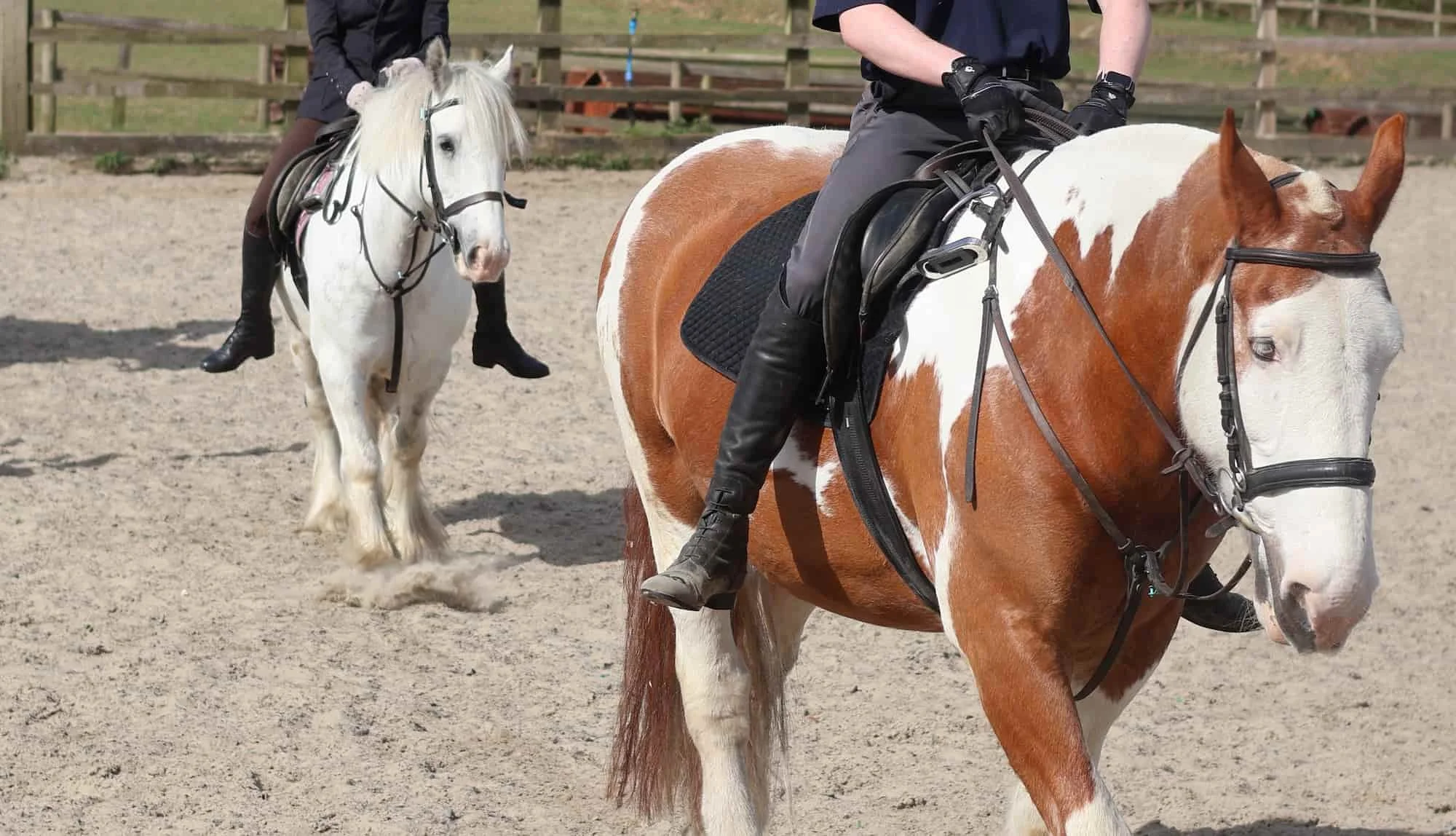
BHS Qualifications
Our BHS courses are led by highly experienced FBHS and Senior BHS Coaches, ensuring top-quality instruction and support.
We offer BHS Stages 1–4 on weekdays year-round, as well as weekend courses for Stages 1 and 2—perfect for those with weekday commitments.
Whether you're seeking a comprehensive understanding of horse care and riding, or looking to make a career change into the equestrian industry, our courses provide the ideal foundation.
Scroll down to learn more about each stage. Contact bookings@trentpark.com for booking enquiries.
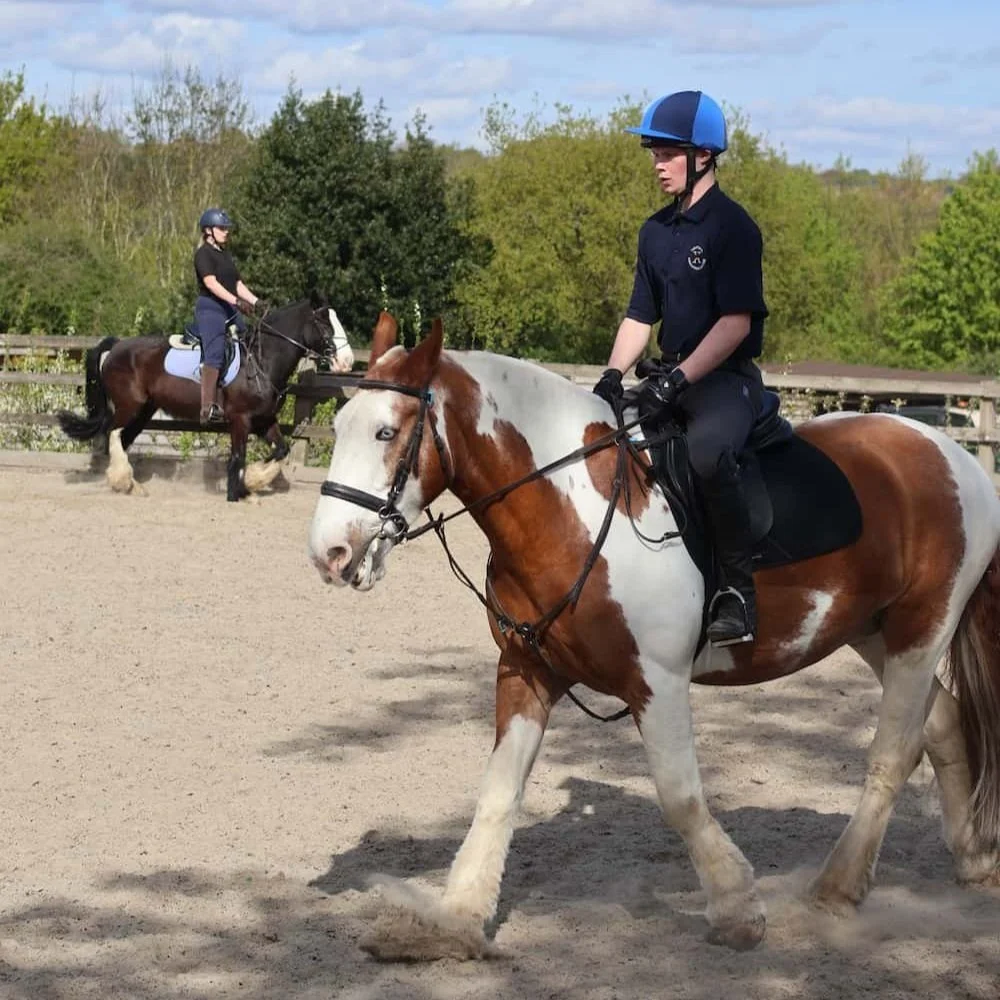
BHS Stage 1
-
Learn more about what’s covered on the BHS website
45-min riding and 45-min stable management per session
12-week course or pay per session
Weekdays: Mondays - Wednesdays 10am - 12pm
Weekend: Please email bookings@trentpark.com for the upcoming dates
-
£995 for the 12-week course or £85 per session.
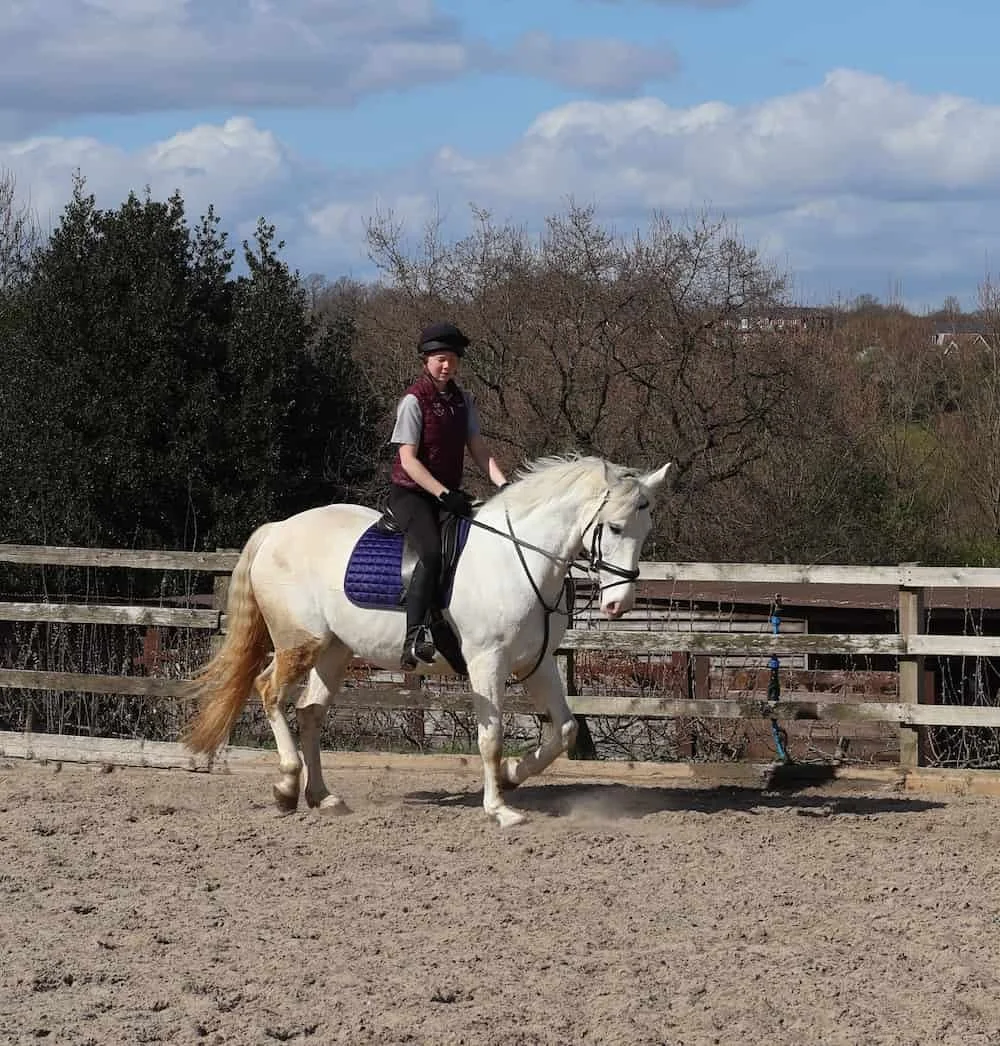
BHS Stage 2
-
Learn more about what’s covered on the BHS website
14-week course
Weekdays 10am - 12pm:
Wednesdays: Theory & Coaching
Thursdays: Care & Jump
Fridays: Lunge & Flatwork
Weekend: Please email bookings@trentpark.com for the upcoming dates
-
From £1135 for the 14-week weekend course (covering Care & Flatwork).
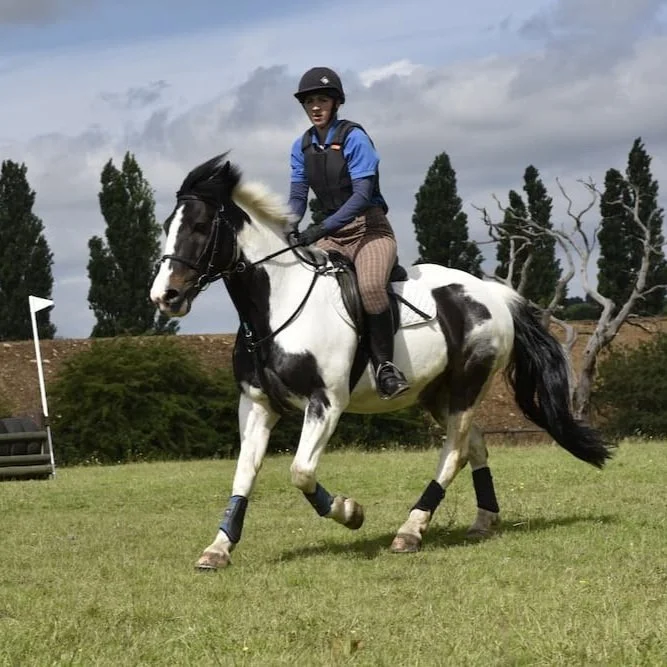
BHS Stages 3 & 4
-
Learn more about what’s covered on the BHS website
14-week course or pay per session
Available Mondays - Fridays
Bespoke pre-assessment sessions available
Please email kerry@trentpark.com for more information
-
From £1135 for a 12-week course with two components, or pay per session from £90.
What are the BHS Qualifications?
The BHS Qualifications (commonly known as "Stages") are a range of qualifications that offer a well-rounded approach to learn the set of skills required to work within the equestrian industry that includes from ride to stable management to coach. It is recognised and highly regarded internationally. It emphasises on horse welfare and safety.
The qualifications are designed by the British Horse Society, in collaboration with industry experts, employers, and users within the equestrian sector; with the awarding body being BHS Qualifications (BHSQ) which regulates and verifies the qualifications.
Who Are These Courses For?
Amateur horse enthusiasts: The BHS Stage 1 course is ideal for anyone interested in learning more about horses, gaining confidence in handling them, and providing essential day-to-day care.
Aspiring professionals & current professionals looking to further their career: Whether you have career aspirations of caring for horses, riding professionally, coaching the next generation or working in a different role within the equestrian industry, BHS qualifications will help you to get there.
Learn more about each stage below.
BHS Stage 1
The next BHS Stage 1 Sunday course will start in September 2026.
-
Anyone who wants to learn more about horses and how to look after them.
Gaining confidence handling and working with horses.
Learning the essentials of working safely and considerately with horses.
Developing fundamental skills to ride with kindness and empathy for the horse.tion text goes here
-
Routine stable management and horse care tasks such as mucking out and grooming.
Tacking up to include saddle, bridle and boots, as well as cleaning tack.
Putting on and adjusting rugs.
Handling and working with horses in a variety of environments.
Basic horse behaviour, welfare and health.
Routine health checks including field and stable safety checks.
-
The horse’s needs and comfort during a riding session.
Checking tack for safety and comfort in preparation for riding.
Riding in walk, trot and canter, showing changes of direction, turns and circles.
Riding without stirrups in walk and trot.
Riding in trot and canter in a ‘light seat’ position.
Riding over trotting poles.
The aids for riding and how to apply these correctly and with empathy.
-
To achieve the Stage 1 Ride qualification, you also need to complete the BHS Ride Safe Silver Challenge Award.
Riding safely on the road, along rights of way, across agricultural land, at the beach and when warming up at competitions.
Negotiating hazards.
Understanding common signs.
Dealing with conflict or difficult situations when riding out.
Negotiating obstacles.
BHS Stage 2
The next BHS Stage 2 Saturday course will start in September 2026.
-
Stage 2 is for anyone looking to improve their horse skills and knowledge. It will give you the tools to complete straightforward tasks both in and out of the saddle, and the confidence to deal with simple problems that may arise. At the heart of it all will be your understanding of working safely, whilst also handling horses with respect and with their welfare in mind.
-
The roles and responsibilities of working on a yard.
Routine tasks such as putting on, checking and adjusting tack, boots, bandages and travel equipment.
Normal behaviour in horses, how to recognise when a horse may become unsettled and what may cause this behaviour.
How to weigh horses and what may influence their diet.
Basic anatomy such as major bones and organs.
Maintaining good health in horses including routine health. procedures, basic first aid, when to call a vet and common health problems.
How to care for horse’s feet and recognising signs of lameness.
Requirements for safe and comfortable environments for horses.
How to plait and trim.
Handling horses in a variety of situations including bathing and loading.
-
The reasons and benefits for lungeing.
The tack and equipment required for lungeing and how to put it on.
How to lunge a horse for exercise with appropriate technique and handling skills.
How to lunge with the welfare and safety of yourself and the horse in mind.
Reflecting on your skills and technique and reviewing how the horse is working.
-
Begin to know about a horse’s way of going, how to describe what this means and how you can positively influence a horse’s reactions when riding.
Understand how to communicate with the horse clearly and empathically.
Ride in a balanced position whilst riding school figures and movements, riding with and without stirrups in walk, trot and canter and riding with the reins in one hand.
Demonstrate how to ride safely and considerately, demonstrating correct use of aids and with awareness of how the horse is responding to you.
Understand how to warm up and prepare for jumping.
Jump a course of fences (up to 75 centimetres / 2 foot 6 inches).
Reflect on your skills and technique after your riding session, reviewing how effective you were and the horse’s way of going.
-
Understand the role and responsibilities of a coach and coaching principles.
Plan, deliver and evaluate coaching lessons:
A lead rein lesson (20 minutes coaching plus 5 minutes discussion with the assessor).
A lunge lesson (30 minutes coaching plus 5 minutes discussion with the assessor).
An integrated flatwork and jumping lesson (45 minutes coaching plus 5 minutes discussion with the assessor).
A practical stable management lesson (15 minutes coaching plus 5 minutes discussion with the assessor).
Deliver coaching lessons for beginner to novice riders.
Coach safely with the welfare and safety of all involved, including the horse.
Develop techniques to be able to progress the riding skills of participants, adapting your coaching when required.
Be able to reflect on your coaching techniques and how to develop your skills.
-
Know the roles and responsibilities of a Ride Leader.
Assess riders, check tack and equipment, assist riders with mounting and provide basic instruction in preparation for riding out.
Ride in walk, trot and canter.
Ride as part of a group in an open space.
Ride and lead a horse and rider.
Escort a group of riders including riding on and off the road.
Evaluate own performance.
BHS Stage 3
-
The Stage 3 qualifications will provide you with tools to becoming Accredited Professional Coach or Groom, as self-employed offering the flexibility to set your own hours and salary or employed within a centre or other establishment. Whatever your goals are, Stage 3 will give your clients and employer confidence in your ability at this level.
-
Roles and responsibilities of a groom and employment rights.
Legislation that applies to running a yard.
Fitting and evaluating tack and equipment for flatwork and jumping.
Nutritional requirements.
How to improve a horse’s fitness.
Anatomy and physiology including respiratory and cardiovascular systems and anatomy of the lower leg.
Assessing conformation.
Health care including taking their temperature, pulse and respiration rate (TPR), a range of health conditions affecting horses, recognising lameness and quality of life awareness.
Managing stereotypical behaviour and handling horses in a variety of situations.
Managing turn out areas.
-
Stage 3 Lunge focuses on your ability to lunge a horse to maintain their level of training.
You will be assessed on:Knowledge of how lungeing contributes to a horse’s training.
Lungeing a horse to maintain their level of training.
Evaluating your lunge sessions.
-
Stage 3 Ride Dressage will assess your ability to ride and maintain a horse’s level of flatwork training with the welfare of the horse central to your riding.
You will cover:Knowledge of the Training Scale.
Riding horses to maintain their level of training.
Assessing horses’ way of going while riding.
Lateral work, for example leg yield, turn on and about the forehand.
Selecting and using exercises relevant to the individual horse.
Evaluating your ridden sessions.
-
Stage 3 Ride Jump will assess your ability to ride and maintain a horse’s level of training over fences with the welfare of the horse central to your riding.
You will be assessed on:
Knowledge of introducing horses to jumping.
Knowledge of progressing horses’ jumping skills.
Walking show jump and cross country courses.
Warming horses up and preparing for show jumping and cross country.
Riding horses over show jumps (up to eight fences, maximum height 90 centimetre).
Riding horses over cross country courses (up to eight fences, maximum height 80 centimetres).
Evaluating your show jump and cross country rounds.
-
Know the roles and responsibilities of a Ride Leader.
Assess riders, check tack and equipment, assist riders with mounting and provide basic instruction in preparation for riding out.
Ride in walk, trot and canter.
Ride as part of a group in an open space.
Ride and lead a horse and rider.
Escort a group of riders including riding on and off the road.
Evaluate own performance.